Lebanon Top Hardscaping Services for Custom Outdoor Living Areas
Lebanon Top Hardscaping Services for Custom Outdoor Living Areas
Blog Article
Hardscaping Services: Enhance Your Exterior Area With Stunning Features
Hardscaping solutions are crucial in reshaping outdoor spaces. By including elements like patios, walkways, and fire pits, these solutions enhance both practicality and aesthetic value. The right options can enhance drainage and create inviting areas for relaxation. However, understanding the different elements of hardscaping is essential for making informed decisions. What features should one prioritize, and how can they truly boost a property's value? Investigating these questions uncovers more to consider.
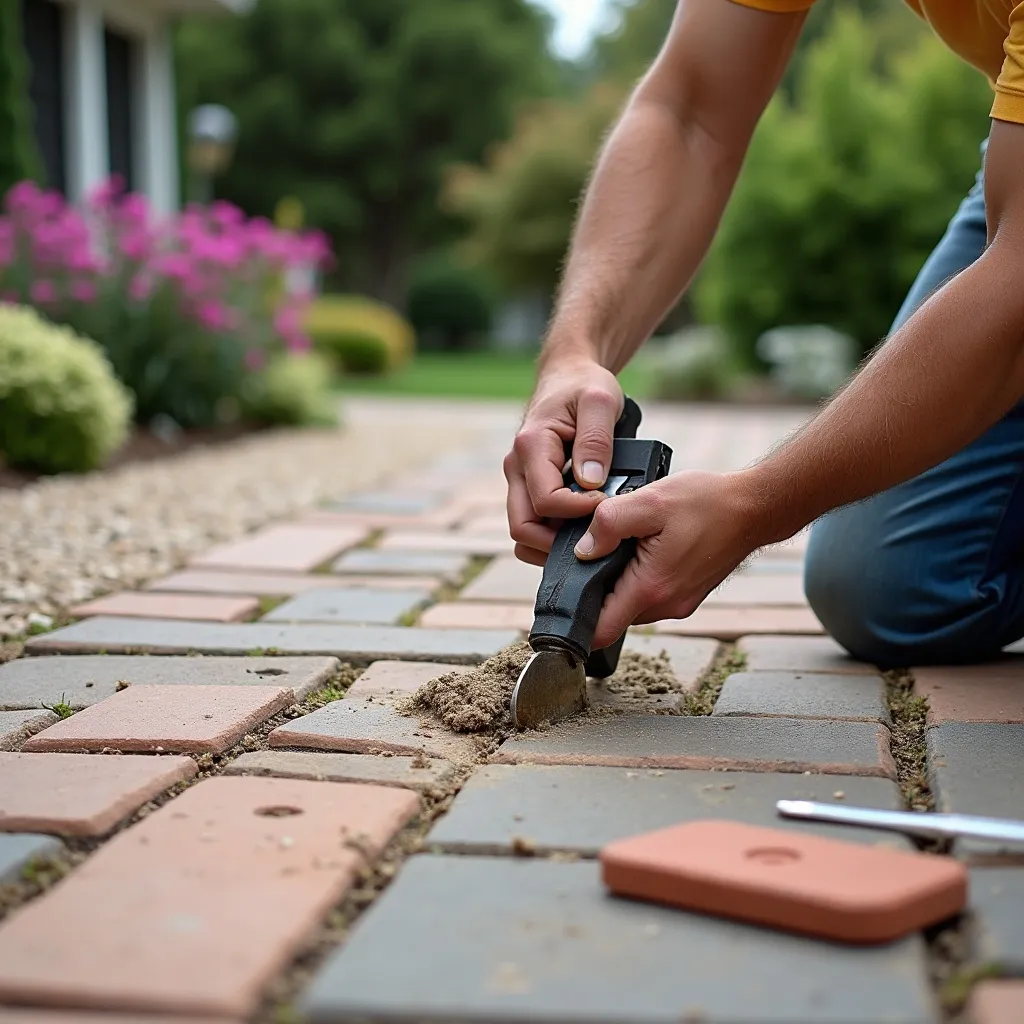
What Is Hard landscaping and Why Is It Important?
Hardscaping refers to the non-plant elements of landscape design, featuring elements such as patios, walkways, and retaining walls. This aspect contributes significantly in outdoor spaces, offering structure and practicality. By incorporating hardscaping, homeowners can create defined areas for relaxation, entertainment, and navigation, enhancing the overall usability of a yard.
Moreover, hardscape elements enhance the visual interest of a landscape, offering contrast to vegetation and seasonal plantings. They can be designed in different material styles and options, promoting personalized expression that reflects the architectural character of a home.
Moreover, hardscaping enhances water drainage and soil erosion prevention, lowering landscape care and safeguarding the structural soundness of the surrounding environment. Overall, it functions as a core element of landscape architecture, combining beauty with utility, and ensuring that outdoor spaces are both appealing and lasting.
Important Hardscaping Aspects for a Appealing Outdoor Environment
Building an inviting exterior space often turns on featuring important hardscaping features that enhance both practicality and aesthetic interest. Key features including patios, walkways, and retaining walls establish structure and organization, facilitating movement across the landscape. Patios function entertainment centers for occasions, while walkways create safe passageways, uniting separate regions effortlessly.
Adding components like fire pits or outdoor kitchens can enhance social interactions, offering warmth and culinary experiences under the open sky. Additionally, decorative stones, gravel, or mulch can be used to define garden beds and pathways, contributing texture and contrast.
Water elements, such as fountains or ponds, introduce soothing audio and a sense of tranquility. Finally, strategically positioned lighting improves safety while accentuating architectural details during the evening hours. Altogether, these hardscaping elements contribute to a unified, welcoming environment that promotes outdoor enjoyment.
Guidance for Choosing the Finest Solutions for Your Hardscaping Project?
Determining the right selections for hardscaping projects is important for attaining durability and visual beauty. Home owners should consider factors such as climate, maintenance requirements, and the planned application of the space. For case study, stone varieties offers a perpetual appearance and impressive longevity, making it acceptable for patios and promenades. Similarly, concrete pavers provide versatility in design and shade, while being cost-effective.
Moreover, the selection between absorbent and solid materials can impact drainage and landscaping. Porous selections, like permeable pavers, allow water to filter through, reducing water overflow and erosion.
It is also important to choose materials that complement existing structures and the overall landscape. By aligning the hardscape features with the home’s architecture and surrounding greenery, a cohesive and welcoming outdoor area can be achieved. Ultimately, the right materials will not only improve aesthetics but also provide long-lasting functionality.
Creating Functional and Beautiful External Spaces
Transforming exterior areas into practical and visually pleasing zones requires a thoughtful approach that balances design elements with functional aspects. Effective hardscaping includes pathways, patios, and retaining walls that serve both functionality and visual appeal. By selecting materials that complement the surrounding landscape, homeowners can create a smooth shift between built and natural environments.
Adding features such as seating areas, outdoor fireplaces, or exterior cooking stations improves the functionality of the space while inviting community engagement. Furthermore, focus on water management and lighting guarantees that the area stays secure and usable in various conditions.
Plants and ornamental stones strategically positioned can soften hard edges, incorporating a hint of the natural world to the layout. Ultimately, a well-planned exterior space not only showcases personal taste but also accommodates everyday functions, rendering it a valuable extension of the home.
Hardscaping Maintenance Tips for Durability
Maintaining hardscaping elements is important for securing their longevity and aesthetic appeal. Regular maintenance cleaning and seasonal inspections combined with prompt repairs of any damage play vital roles in preserving these outdoor structures. By following these upkeep recommendations, homeowners can enhance both the durability and appearance of their hardscaped areas.
Regular Cleaning Habits
Regular maintenance routines significantly improve the longevity of hardscape elements. Regular upkeep prevents the accumulation of dirt, debris, and organic materials that can cause stains and deterioration. Sweeping surfaces regularly maintains free debris at bay and decreases the risk of algae or moss development. For more difficult marks, a mild pressure washing can effectively remove dirt without harming the surface. Additionally, using a balanced pH cleanser ensures that the stability of the hardscape is preserved. It is also essential to inspect seams and joints for any signs of damage or wear, as these areas may require more concentrated maintenance. By implementing these methods, property owners can preserve the visual attractiveness and structural integrity of their outdoor spaces.
Why Annual Reviews Are Essential
Undertaking routine inspections is important for the longevity of hardscaping elements. These reviews help property owners spot damage caused by changing weather conditions, such as freeze-thaw cycles or heavy rainfall. Regular inspections assist in ensuring that joints, pavers, and retaining walls remain stable and free from cracks or shifting. In addition, examining drainage systems is vital to prevent water accumulation, which can result in structural damage over time. Seasonal evaluations also offer chances to refresh surfaces and tackle any minor issues before they escalate into major repairs. By making these inspections a priority, homeowners can copyright the appearance and functionality of their outdoor spaces, ultimately extending the useful life of their hardscaping investments.
Mending Damage Immediately
Responding to damage without delay is critical for preserving the structural integrity of hardscaping structures. Overlooking minor problems, including cracks in pavers or compromised retaining walls, can result in more severe problems as time goes on. Periodic inspections facilitate identifying these issues in a timely manner, allowing for timely fixes that keep homeowners from expensive renovations. As an illustration, filling cracks with correct materials enhances looks and prevents water seepage, which leads to additional deterioration. Realigning bricks furthermore strengthens functionality and security. Owners should equally take into account seasonal damage, addressing any wear before severe weather conditions amplify the situation. By focusing on quick repairs, the durability and aesthetic appeal of hardscaping elements can be successfully maintained. or unstable boundary walls, may cause more severe problems eventually. Regular maintenance checks help identify these issues early on, permitting quick repairs that protect owners from costly replacements. To illustrate, sealing breaks with appropriate products improves looks while blocking moisture infiltration, which leads to additional deterioration. Repositioning pavers strengthens functionality and security. Property owners must consider weather-related deterioration, addressing any deterioration before extreme environmental factors worsen conditions. By prioritizing timely fixes, the longevity and visual appeal of hardscaping features remains properly preserved
The Impact of Hardscaping on Improving Property Value
Hardscaping substantially increases property value by improving curb appeal and establishing functional outdoor spaces. Well-designed patios, walkways, and retaining walls not only draw potential buyers but also offer practical areas for relaxation and recreation. These improvements can lead to a higher return on investment for homeowners.
Enhanced street presence
While many property owners seek ways to improve their homes, incorporating hardscaping elements can greatly boost curb appeal. Features such as rock walkways, retaining walls, and decorative patios form a visually appealing exterior that draws in potential buyers. The aesthetic appeal of well-designed hardscaping not only complements landscaping but also sets a distinct tone for the property. Additionally, quality materials and craftsmanship can indicate to buyers that the home has been well-maintained, further increasing perceived value. Properly executed hardscaping not only enhances visual appeal but also contributes to a cohesive design, making the home stand out in the neighborhood. Ultimately, these improvements can lead to a significant boost in property value, making hardscaping a valuable investment for homeowners.
Useful External Spaces
Establishing quality exterior spaces through landscape development can substantially increase a home's financial worth. By incorporating elements like patios, walkways, and retaining walls, homeowners can increase usability and visual appeal. These constructed outdoor areas create flexible environments for entertaining, relaxation, and recreation, making the property more compelling to potential buyers. Furthermore, expertly designed hardscaping can enhance water management and decrease maintenance expenses, further appealing to prospective helpful guide homeowners. Properties with quality exterior environments often stand out in the real estate market, as they allow for a seamless blend of indoor and outdoor living. Ultimately, investing in hardscaping not only enhances property aesthetics of a property but also contributes considerably to its market value, making it a worthwhile choice for homeowners.
What Should You Search for When Appointing Expert Hardscaping Options?
When seeking out professional hardscaping services, what key factors should be assessed to ensure a successful project? First, an reputable contractor should possess appropriate licenses and insurance to assure accountability and protection against potential liabilities. In addition, reviewing a record of completed work provides insight into the standard and approach of services. Client testimonials and references can further validate the contractor's trustworthiness and competence.
Additionally, gathering various quotes provides for a superior grasp of market rates and helps in making informed selections. It's crucial to examine the contractor's background with specific materials and designs, confirming they can satisfy distinct project specifications. Dialogue abilities also play an key function; a contractor should be open to addressing ideas, timelines, and expenditures. Finally, confirming that the contractor supplies a detailed formal agreement can prevent disputes and illuminate project expectations, producing a more fluid execution.
Regularly Posed Questions
Understanding the Standard Expense of Hardscaping Projects
The typical cost of hardscape work fluctuates significantly, generally ranging from $15 to $50 per square foot. Factors impacting costs consist of materials used, labor expenses, project difficulty, and regional market differences, affecting total investment requirements for property owners.
How long Does a Hardscaping Project Usually Take?
A hardscaping project usually requires anywhere from a few days to several weeks, based on the project's intricacy, size, and the materials selected. Weather conditions and crew availability can also affect the timeline significantly.
Can You tackle Hardscaping Yourself or Is Professional Assistance crucial?
Hardscaping is capable of being completed by yourself, but skilled assistance is frequently advised for complex projects. Expertise guarantees durability and aesthetics, while unskilled efforts may cause expensive problems, damaging the overall quality and longevity of the installation.
Are there time-based factors for hardscaping work?
Considerations affecting hardscaping projects during different seasons involve temperature changes, rainfall, and ground conditions. Spring and fall are ideal times for installation, whereas winter can hinder materials and drainage. Planning ahead ensures durability and aesthetic appeal throughout the year.
Which Permits Are Essential for Hardscaping Work?
Permits for hardscaping installations typically include land use permits, structural permits, and possibly environmental permits, depending on local codes. Homeowners should consult their municipality to verify compliance with all legal requirements before undertaking any project.
Report this page